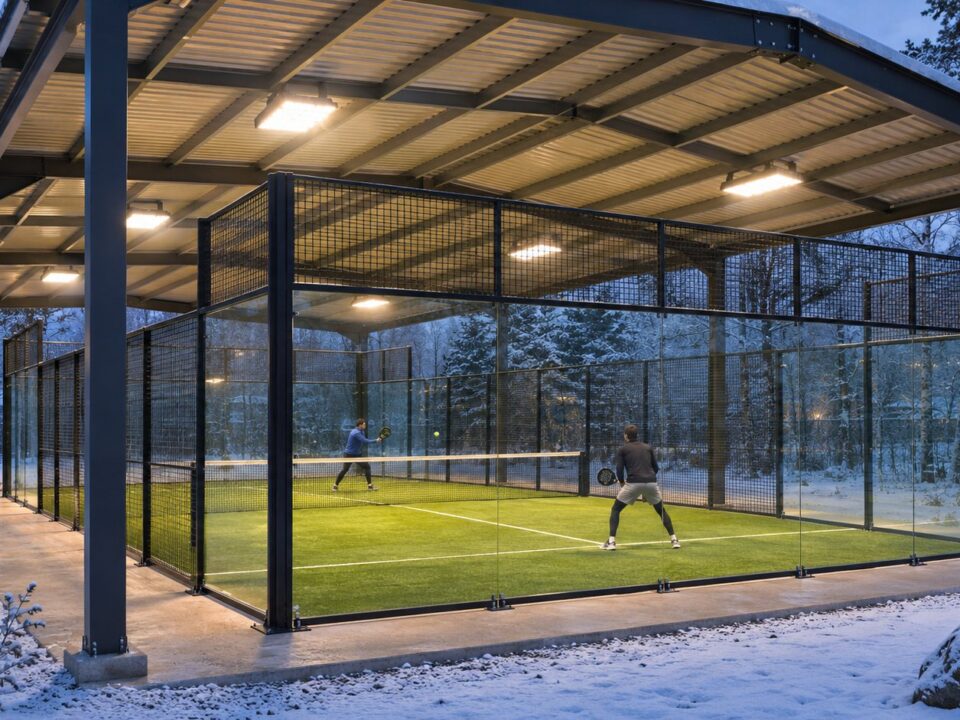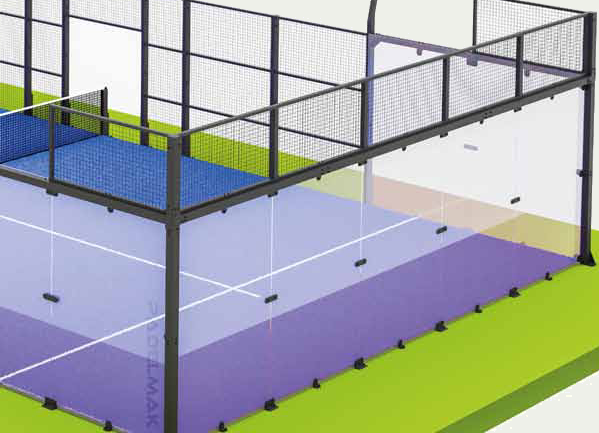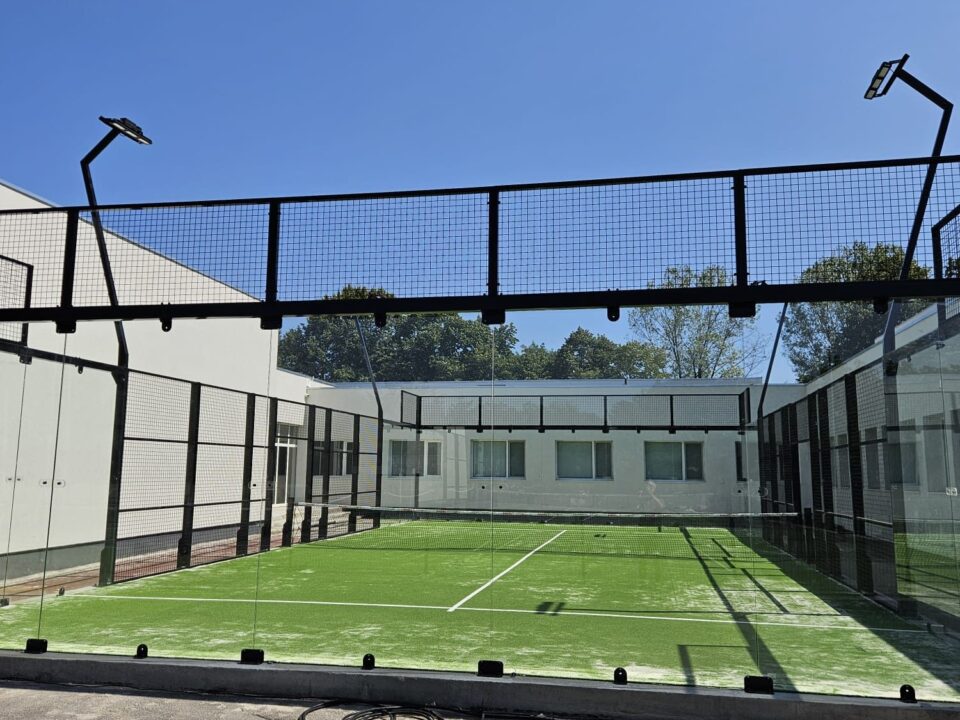
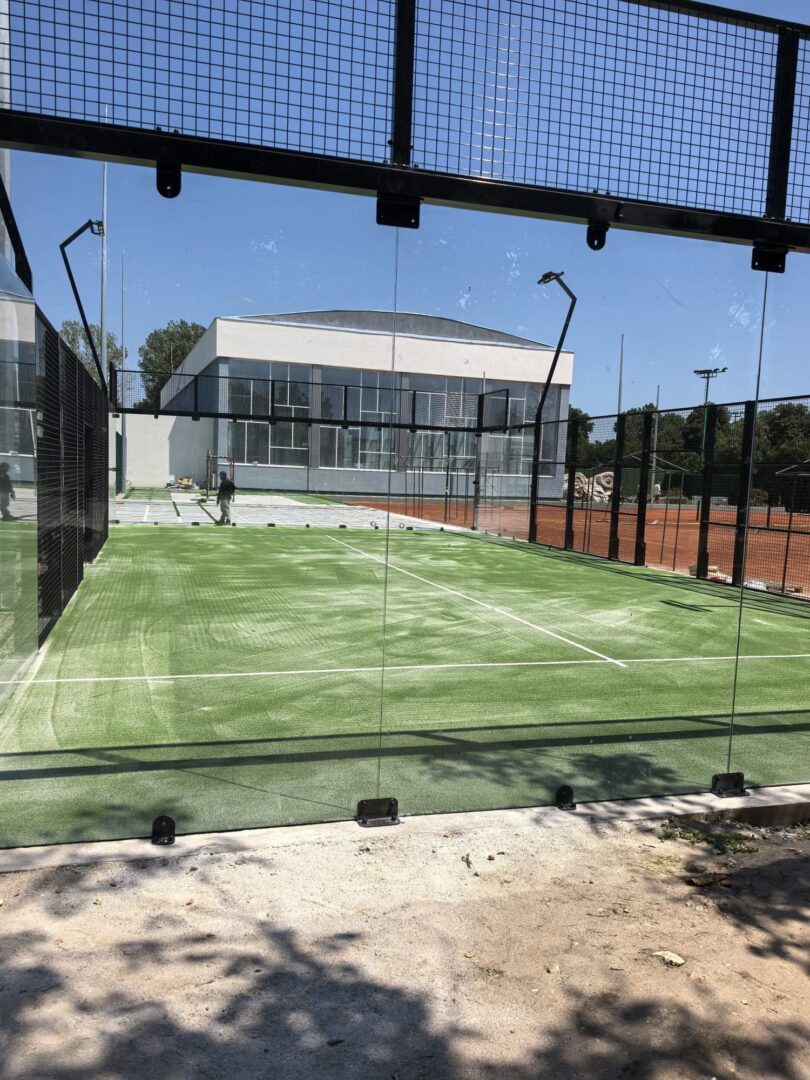
Padel is growing quickly, and that growth is drawing investors who have never operated a sports facility before. This guide sets out what to settle before committing: site, court count, cost structure, revenue model and the mistakes that are most expensive to correct later.
How do you choose the site?
Three criteria decide it: catchment, access and area. Padel is played after work and at weekends, so the population within a fifteen-minute drive matters more than the absolute size of the city. Access includes parking; a facility without it loses evening bookings. On area, a single court needs at least 12 × 22 metres of level ground; if you intend to add courts later, plan the whole layout from the start rather than fitting the first court wherever it happens to go.
How many courts should you start with?
The weakness of a single-court facility is that demand concentrates in the same hours: when two groups want the same slot, you lose one of them. A second court removes that loss and makes leagues and tournaments possible; which in turn builds a regular community around the facility. Adding courts before demand grows, however, raises fixed costs and lowers the occupancy rate. The healthy rule is to add capacity once prime-time occupancy is consistently high.
| Item | What to settle before you commit |
|---|---|
| Ground | Existing slab or new platform, the largest cost variable |
| Court count | Starting number and the layout for later phases |
| Indoor / outdoor | How many days a year you can sell |
| Lighting | Designed before the slab is poured |
| Model | Classic, panoramic or a mix with one centre court |
| Operation | Booking system, coaching, league programme |
What is the most common mistake?
Building the financial model on an optimistic average occupancy. Occupancy is not flat: prime time carries the facility and off-peak hours have to be filled deliberately, through coaching, corporate bookings and school partnerships. The second most common mistake is treating lighting and drainage as items to sort out later; both are cast into the slab, and revisiting them means breaking concrete. The revenue model is set out here, and the slab specification here.
Tell us about your site and we will work through court count, layout and phasing with you.